The Suthra Punjab Program continues to be a cornerstone initiative aiming to transform Punjab into a cleaner and healthier province. Launched with the goal of improving sanitation and waste management, the program has gained momentum in 2025 through a combination of modern strategies and increased public participation. This update sheds light on the program’s key achievements, ongoing challenges, and the road ahead.
Punjab has long struggled with waste disposal problems, from overflowing bins to irregular garbage pickups. The Suthra Punjab Program addresses these issues with a systematic approach, blending infrastructure improvements with awareness campaigns to encourage responsible waste habits among residents.
 Also read
Modern Waste Collection and Disposal Systems
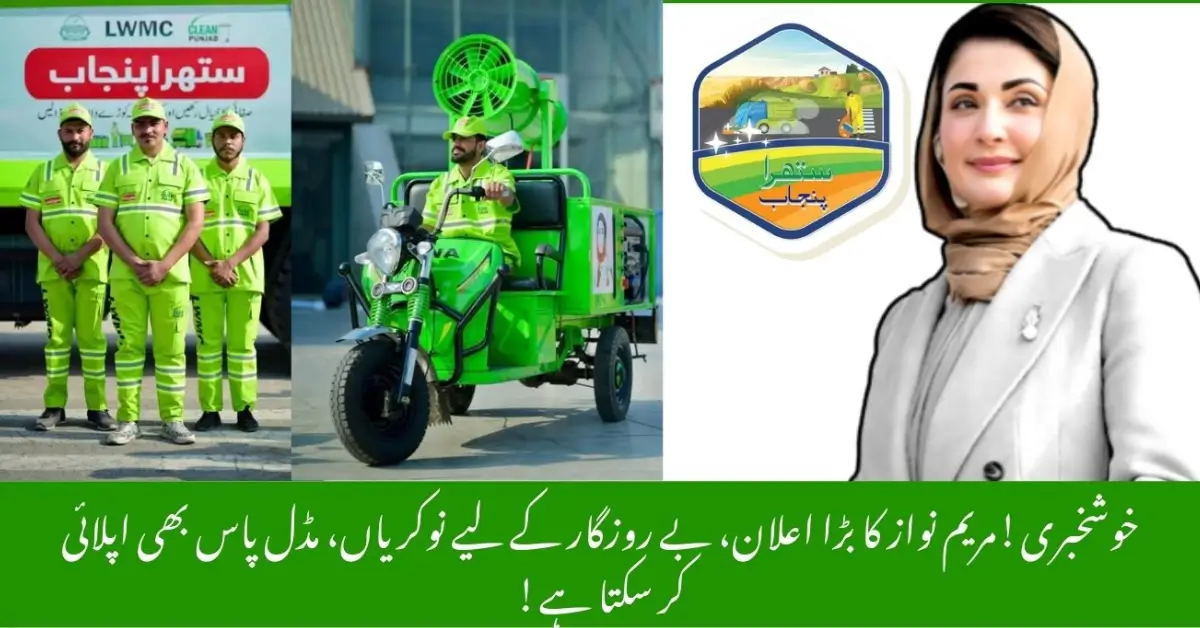
A major focus of the Suthra Punjab Program has been upgrading waste collection infrastructure. The provincial government has introduced new waste collection vehicles equipped with compactors and secure storage, reducing spillage during transport. Additionally, mechanical street sweepers are now operating in busy urban areas, keeping streets cleaner with less manual labor.
The program also promotes door-to-door waste collection in many neighborhoods, ensuring residents have convenient options for disposing of waste responsibly. This method encourages segregation at source, which is crucial for effective recycling and reducing landfill pressure.
Community Engagement and Cleanliness Awareness
The success of the Suthra Punjab Program heavily relies on community involvement. Awareness drives have been launched in schools, universities, and local communities, educating citizens about the importance of proper waste disposal and environmental conservation.
Partnering with NGOs and local volunteers, the program organizes cleanup campaigns and educational workshops to instill a sense of ownership in maintaining cleanliness. Dedicated cleanliness committees across districts facilitate direct communication between residents and municipal authorities, improving accountability.
 Also read
Introduction of Cleanliness Fees for Sustainable Funding
To ensure the long-term sustainability of sanitation efforts, the Suthra Punjab Program has introduced cleanliness fees for residents and businesses. These fees provide a dedicated source of funding for ongoing waste management services, including collection, street cleaning, and public outreach.
Although the fees vary by property size and commercial activity, transparency in their use is emphasized to build public trust. Regular reporting helps residents understand how their contributions support a cleaner Punjab.
Zero-Waste Initiatives and Environmental Protection
The Suthra Punjab Program has pioneered the creation of zero-waste zones in select neighborhoods where strict rules prohibit open dumping. These zones emphasize composting, recycling, and reducing waste generation.
In some pilot areas, waste-to-energy projects convert non-recyclable waste into electricity, contributing to Punjab’s energy supply while minimizing environmental impact. Public spaces like parks and schools are equipped with segregation bins and maintained more frequently, enhancing green areas.
 Also read
Challenges in Implementation and Areas Needing Focus
Despite notable successes, the Suthra Punjab Program faces ongoing challenges. Some areas still experience inconsistent waste collection due to logistical constraints or limited resources. Such delays can lead to public frustration and undermine the scheme goals.
Enforcement of cleanliness regulations needs strengthening, especially in densely populated urban zones where littering and illegal dumping persist. Additionally, ensuring equitable sanitation services in rural and peri-urban areas remains a priority.
Sustaining Momentum for a Cleaner Punjab
The progress made by the Suthra Punjab Program shows that meaningful environmental improvements are achievable with coordinated action. The key to sustained success lies in continued investment in infrastructure, robust enforcement of cleanliness policies, and active community participation.
 Also read
Future efforts will focus on expanding province-wide waste segregation, improving recycling programs, and fostering collaboration between government agencies, private companies, and civil society. Bridging the urban-rural divide in sanitation services is also crucial for comprehensive impact.
Conclusion
The Suthra Punjab Program is more than a cleanup drive; it represents Punjab’s commitment to sustainable living and environmental health. The strides made in 2025 reflect the potential for long-term change when government leadership and public cooperation align.
To realize the vision of a cleaner Punjab, ongoing efforts and public engagement are important. Together, the people and government can ensure that Punjab’s cities and towns become models of cleanliness, offering a healthier and more vibrant environment for future generations.
 Also read